What Is BMI and Why Is It Important?
Introduction
Body Mass Index (BMI) is one of the most widely used tools to assess body weight in relation to height. It provides a fast and simple way to estimate whether a person is underweight, normal weight, overweight, or obese. Although BMI does not measure body fat directly, it is commonly used by doctors, schools, governments, and health organisations around the world.
What Is BMI?
BMI is a numerical value calculated using your height and weight.
The formula is:
BMI = Weight (kg) / Height (m²)
This number helps classify your weight category and gives a quick indication of potential health risks.
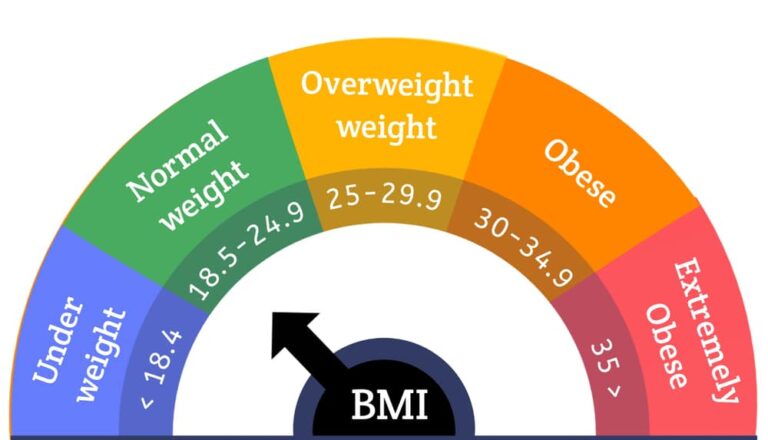
BMI Categories
According to NHS and WHO guidelines:
| BMI Range | Category |
| Below 18.5 | Underweight |
| 18.5 – 24.9 | Healthy |
| 25 – 29.9 | Overweight |
| 30+ | Obese |
Why Is BMI Important?
BMI provides several advantages:
1. Quick Health Assessment
It gives a fast indication of whether weight may be affecting your health.
2. Identifies Risk Levels
A high BMI is associated with an increased risk of:
- Type 2 diabetes
- High blood pressure
- Heart disease
- Joint problems
3. Monitors Weight Progress
You can track changes over time and measure improvement.
Limitations of BMI
While useful, BMI is not a perfect measurement. It does not consider:
- Muscle mass
- Body shape
- Bone density
- Fat distribution
For example, an athlete may have a high BMI but low body fat.
Conclusion:
BMI is an excellent starting point for understanding general health status. For best results, combine BMI with other health measurements such as waist size, diet, and lifestyle.
Learn how to calculate BMI here → link