
Understanding BMI for Children: What Parents Should Know

BMI isn’t only for adults. Monitoring BMI in children helps parents track their child’s growth and ensure a healthy development. This guide explains what parents should know about children’s BMI.
- How BMI Works for Children
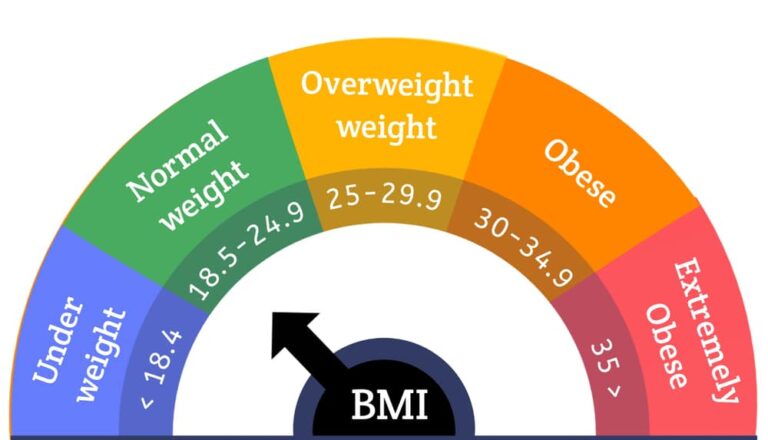
BMI is calculated the same way as adults, but interpreted using age and gender percentile charts.
Children are classified as underweight, healthy weight, overweight, or obese according to these percentiles.
- Healthy Growth Monitoring
Track height and weight regularly.
Use growth charts provided by NHS or WHO.
Look for gradual and consistent growth trends rather than focusing on a single number.
- Balanced Diet for Children
Encourage fruits, vegetables, whole grains, and lean proteins.
Limit sugary snacks and drinks.
Make meals colorful and engaging to promote healthy eating habits.
- Physical Activity
Children should aim for at least 60 minutes of moderate to vigorous activity daily.
Activities can include walking, cycling, swimming, or organized sports.
- Limit Screen Time
Excessive screen time is linked to weight gain.
Encourage outdoor play and physical activity instead.
Conclusion
Understanding and monitoring BMI in children allows parents to guide their kids toward healthy habits. A balanced diet, physical activity, and regular check-ups are essential.