
Is BMI Accurate? Pros and Cons Explained
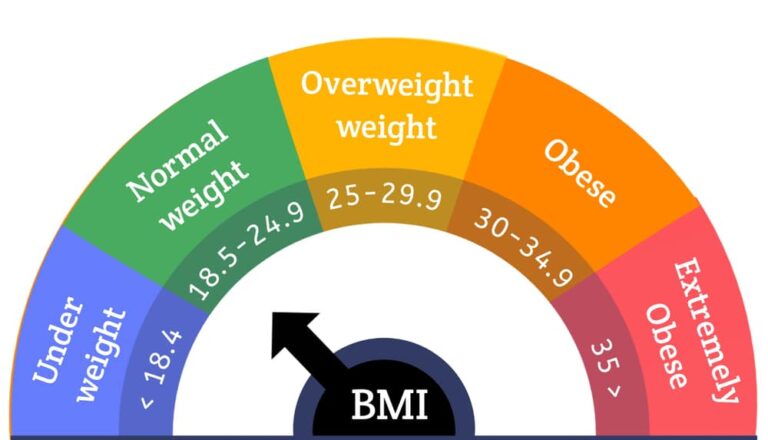
BMI is used worldwide by hospitals, governments, and health organisations. But many people wonder: does BMI truly measure health accurately?
In this guide, we will look at the advantages and disadvantages of BMI to help you understand how reliable it really is.
Why BMI is Used
BMI remains popular because:
- It is fast to calculate
- It requires only height and weight
- It works well for large populations
- It helps track obesity trends in the UK
For these reasons, BMI is still used in medical check-ups, fitness programs, and public health data.
Advantages of BMI
1. Simple and Universal
You can calculate BMI in seconds without medical equipment.
2. Good Indicator of Weight Risk
High BMI often correlates with:
- Diabetes
- High blood pressure
- Heart disease
- Joint problems
3. Useful for National Health Studies
Governments use BMI data to monitor obesity rates.

Disadvantages of BMI
1. Does Not Measure Body Fat Directly
Someone may have a high BMI due to muscle, not fat.
2. Not Ideal for Certain Groups
BMI can be inaccurate for:
- Athletes
- Very muscular individuals
- Pregnant women
- The elderly
3. Does Not Consider Body Shape
Two people with the same BMI may carry fat in different areas.
Better Alternatives
In some cases, doctors also check:
- Waist-to-Height Ratio
- Body Fat Percentage
- Waist Circumference
Conclusion
BMI is not perfect, but it is a valuable starting point for understanding weight and health. For most adults, BMI provides a reliable early indicator of weight-related risks.